Targeted support, thoughtfully curated
Nature-based. Science-led.
SHOP ALL PROTOCOLSThe best available nature-based therapeutics the world’s leading experts have to offer.


Understanding your eye health.
Why measure macular pigment density?
The macula is responsible for sharp, central vision. Its protective pigment, made up of lutein, zeaxanthin, and meso-zeaxanthin, plays a crucial role in filtering blue light and neutralising oxidative stress.
Research shows that individuals with low macular pigment optical density (MPOD) are at increased risk of visual decline, including age-related macular degeneration (AMD). By measuring MPOD early, practitioners can identify patients at risk long before symptoms arise, enabling timely intervention and improved outcomes.

The MPS II: quick, reliable, non-invasive.
The MPS II (Macular Pigment Screener) uses heterochromatic flicker photometry (HFP), a validated and widely used method to measure MPOD.
This makes the MPS II a practical addition to preventive eye care, allowing practitioners to establish a baseline and track changes over time.
From measurement to intervention.
Once MPOD is assessed, practitioners can recommend evidence-based interventions to improve or maintain macular density:
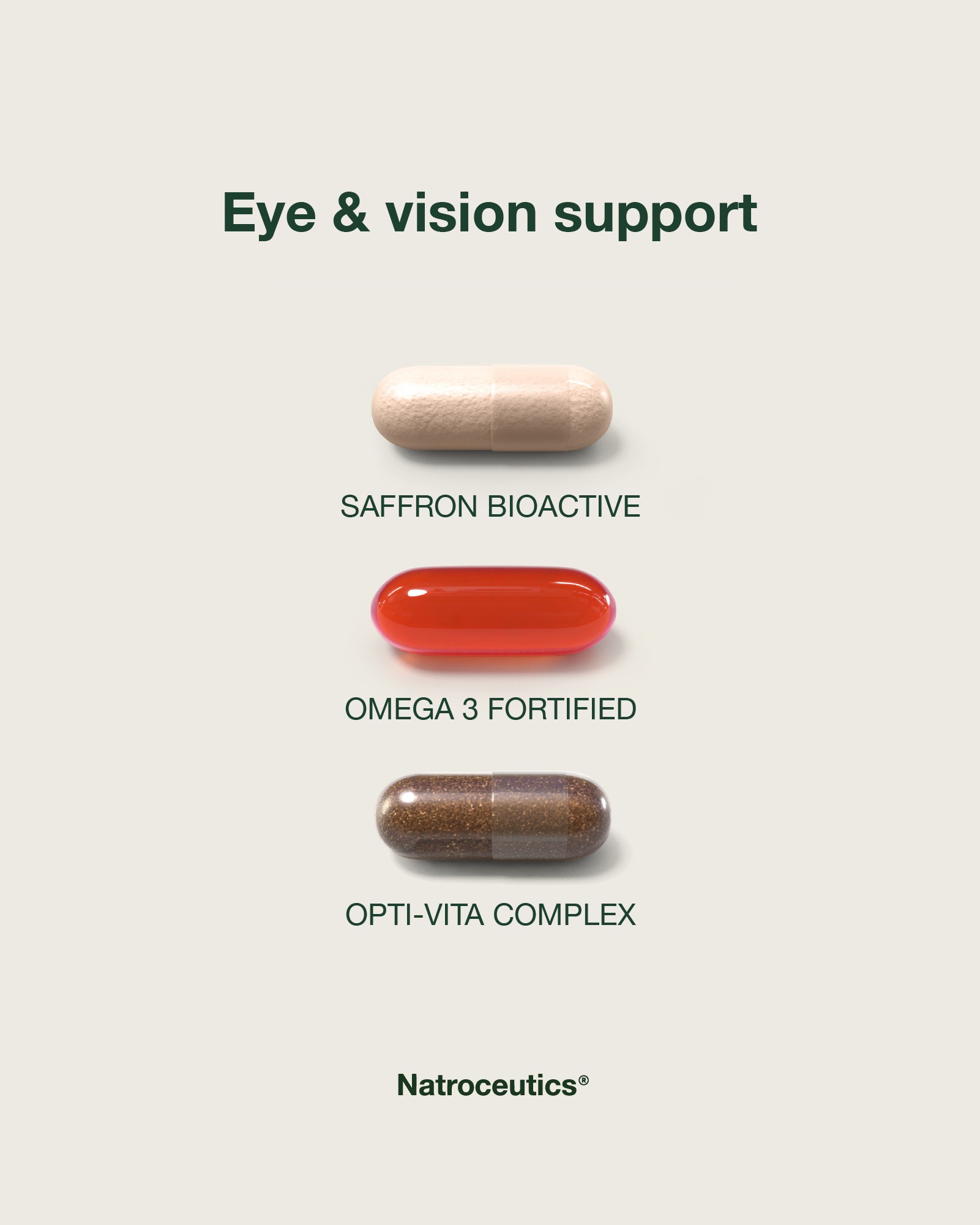
Supplementation increases macular pigment levels and enhances visual function.
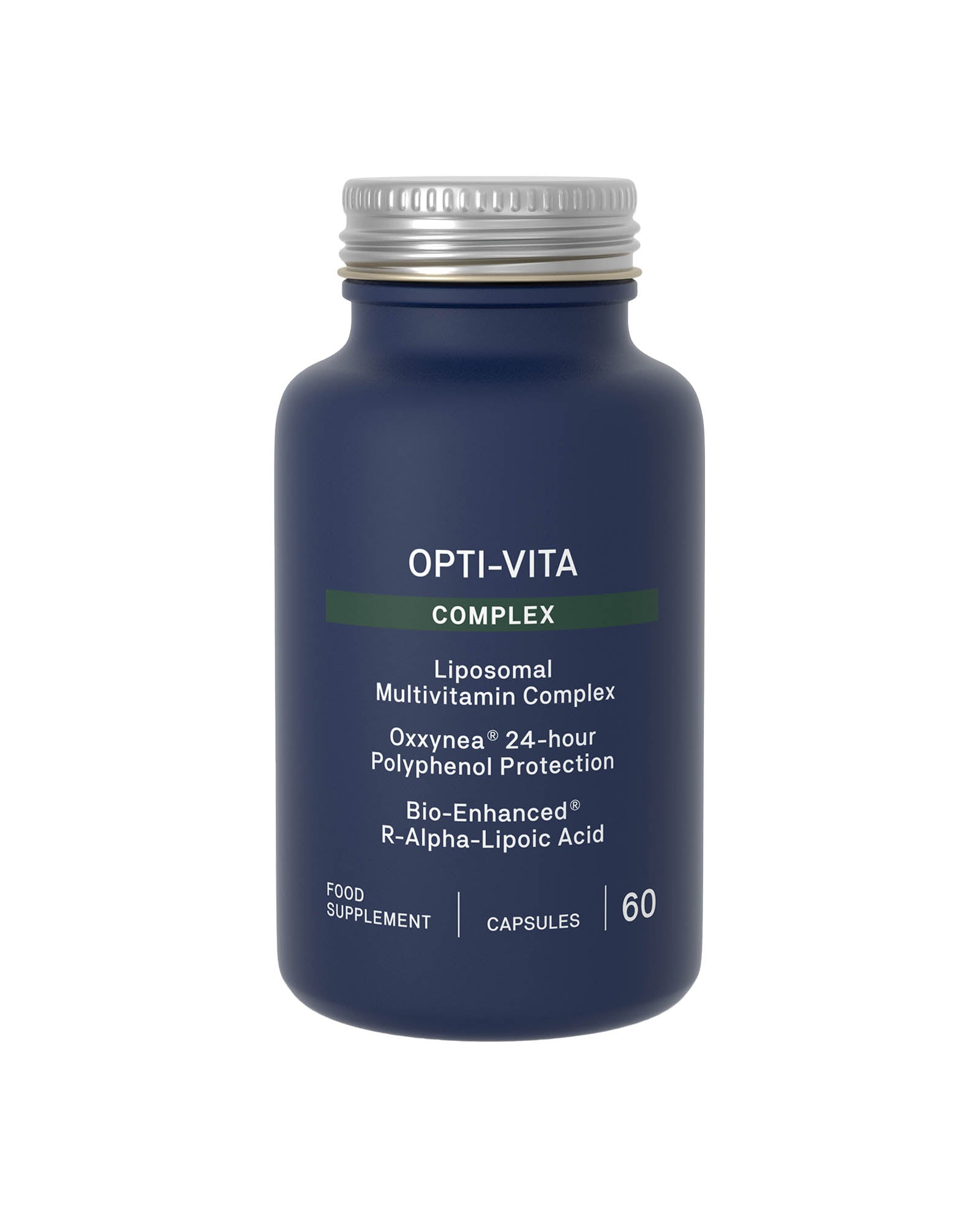
Protect against oxidative stress and support ocular resilience.
Support retinal cell health and complement carotenoids.
Plays a role in neuromuscular and vascular support relevant to ocular function.
Monitoring MPOD with the MPS II provides objective feedback on how patients are responding to these interventions.
Experience the MPS II
Natroceutics integrates the MPS II into practitioner education and patient support.
Visit us at the Health Optimisation Summit to experience the device, or contact us to learn how the MPS II can add value to your practice.